
SEO Strategies for 2025: Adapting to the Evolving Landscape

As we near 2025, (the) landscape of SEO is shifting dramatically. In this blog, we will examine the latest SEO strategies that can assist you in navigating these changes effectively (and) maintaining your online presence amidst increased competition. Understanding these SEO strategies for 2025 is crucial for anyone looking to succeed in the digital sphere; however, this requires constant adaptation. Because the digital environment is ever-evolving, one must remain vigilant. Although challenges arise, opportunities abound (and) with the right approach, success is attainable.
Table of Contents
- 🚧 Introduction to Current SEO Challenges
- 🤖 Understanding Google’s Reaction to AI
- 📉 Why Content Sites Are Struggling
- 📝 The Importance of User-Generated Content
- 🔍 Finding a Niche: Focus on Low-Competition Keywords
- 📚 Utilizing Topical Authority for SEO Success
- 🔑 Effective Keyword Research Techniques
- ✍️ Creating Content That Ranks
- 💡 Building a Sustainable Online Business Model
- 📧 The Role of Email Marketing in SEO
- 📱 Leveraging Social Media Platforms for SEO
- 🖥️ The Importance of Website Navigation and User Experience
- 🔄 How to Pivot Your SEO Strategy for 2025
- 🎥 Exploring Alternative Platforms: YouTube and Beyond
- ❓ FAQ: Common Questions About SEO Strategies for 2025
🚧 Introduction to Current SEO Challenges
As we step into 2025, (the) SEO landscape is fraught with challenges: many small content creators feel overwhelmed—claiming that Google is stifling their growth. The rise of AI-generated content has, however, further complicated matters, leading to a shift in how Google evaluates authority and relevance. Although the frustration within the community is palpable, many wonder how to adapt to these rapid changes; this uncertainty breeds anxiety and confusion.
The Impact of AI on SEO
AI (artificial intelligence) is reshaping the way (in which) content is created and consumed. Google’s algorithms are adapting to prioritize user-generated content and authoritative sources over traditional blogs; however, this has left many smaller sites struggling to compete (because) they often lack the authority that larger platforms possess. Although the landscape is changing rapidly, some believe that innovation can emerge from these challenges. But, will it be enough?
🤖 Understanding Google’s Reaction to AI
Google’s response to (the) influx of AI-generated content has been quite significant. By rewarding user-generated content, they aim to enhance authenticity of information available on their platform. This pivot means that sites (which) rely heavily on AI for content creation may find themselves at a disadvantage: if they cannot establish a level of authority. However, this creates a paradox; although AI can generate vast amounts of data, it lacks (the) personal touch that users often seek. Because of this, many content creators might need to rethink their strategies.
User-Generated Content as a Solution
Google’s emphasis (on user-generated content) signifies a shift in strategy for content creators. Engaging with your audience, however, encouraging them to contribute can help build a community around your site. This community can enhance your site’s authority (and improve your chances of ranking higher in search results) because it fosters interaction. Although some may argue that focusing solely on user content is risky, it ultimately provides value to both creators and users.
📉 Why Content Sites Are Struggling
Content sites (particularly those smaller in scale) are facing unprecedented difficulties, as search algorithms evolve. Many smaller websites are witnessing their traffic decline, however, they fail to meet the new standards set by Google. This struggle often stems from (1) a lack of unique content and authority. Although challenges abound, maintaining relevance remains crucial, because the digital landscape is unforgiving.
The Authority Gap
Large media outlets (and platforms like Reddit) are winning the battle for visibility: their established authority makes it difficult for smaller sites to compete. For smaller content creators, the challenge is to find niche topics that can attract a loyal audience (without requiring the same level of authority). However, this task is daunting; because the competition is fierce, it demands creativity and persistence. Although smaller sites may struggle, they can carve out unique spaces in the digital landscape.
📝 The Importance of User-Generated Content
User-generated content (UGC) is becoming increasingly vital for SEO success; it not only helps build community (but also enhances credibility of your site). By fostering a space where users can share their experiences and insights, you can create (a robust ecosystem) that attracts more visitors. However, this can be challenging because it requires ongoing engagement. Although the benefits are clear, maintaining such a dynamic environment can be demanding.
Building a Community
Encouraging (your audience) to engage with your content can lead to wealth of user-generated contributions: this can take the form of comments, forums, or (even) guest posts. The more you involve your audience, however, the more likely they are to return and share your content with others. Although engagement is crucial, it is essential to maintain quality (because) this fosters a deeper connection.
🔍 Finding a Niche: Focus on Low-Competition Keywords
Finding niche (is) crucial for content creators aiming to thrive in 2025. By targeting low-competition keywords, you can carve out space for your content without competing directly with larger sites. This strategy allows you to build authority in specific areas (while) gradually expanding your reach. However, this requires persistence and adaptability, because the landscape can shift quickly. Although it may seem daunting at first, it is essential to remain focused on your goals.
Strategies for Keyword Research
- Utilize SEO tools to identify low-difficulty keywords.
- Focus on long-tail keywords that are specific to your niche.
- Analyze competitors to find gaps in their content that you can fill.
By honing in on these (less) competitive keywords, you can create content that stands a better chance of ranking well. This targeted approach can lead to increased traffic and (a) more engaged audience; however, it requires careful consideration. Although this strategy is effective, you must remain vigilant because the landscape of search engines is constantly evolving. Therefore, understanding the nuances of keyword selection is essential for success.

📚 Utilizing Topical Authority for SEO Success
Establishing topical authority (is) a game changer in today’s SEO landscape. It involves creating a comprehensive body of work around specific subjects (which signals) to search engines that you are expert in that niche. This approach not only improves your ranking potential; however, it also enhances user trust and engagement, because it demonstrates your expertise. Although some may argue otherwise, the benefits are clear: this strategy is essential for success.
Why Topical Authority Matters
Topical authority (1) is crucial; it helps search engines understand (the) context of your content. When you consistently produce high-quality articles around a particular theme, search engines recognize your site as a credible source. This is particularly important, however, because Google continues to refine its algorithms to prioritize quality over quantity (2). Although some may argue that quantity matters, this perspective is increasingly outdated.
Strategies to Build Topical Authority
- Content Clusters: Organize your content into clusters. For example, if your main topic is “Digital Marketing,” create subtopics like SEO, content marketing, and social media. Link these articles together to create a web of related content.
- In-depth Articles: Aim for comprehensive guides that cover all aspects of a topic. Longer, detailed articles tend to perform better in search rankings.
- Regular Updates: Keep your content fresh by regularly updating older articles with new information, statistics, and insights.

🔑 Effective Keyword Research Techniques
Keyword research (1) is foundation of any successful SEO strategy; it helps identify what your target audience is searching for (and this allows you to tailor content accordingly). However, as we move into 2025, methods of conducting keyword research are evolving. Although adapting to these changes is essential, many still overlook its importance because they underestimate its impact.
Modern Keyword Research Tools
Utilizing (the right tools) can significantly enhance your keyword research process. Tools such as Ahrefs, SEMrush and Ubersuggest provide valuable insights into keyword difficulty, search volume and (related terms). These insights are crucial for identifying low competition keywords (that) can drive traffic to your site; however, it’s important to remember that not every tool is created equal. Although these tools offer great data, understanding (the context) behind the numbers is essential. This can help you make informed decisions, because keyword research is an ongoing process, not a one-time event.
Keyword Research Steps
- Identify Seed Keywords: Start with broad terms related to your niche.
- Analyze Competitors: Look at what keywords competitors are ranking for and find gaps in their content.
- Focus on Long-Tail Keywords: These keywords are less competitive and often have higher conversion rates.

✍️ Creating Content That Ranks
Creating content (that ranks well) requires a strategic approach: it’s not just about writing; however, it’s about understanding your audience (and delivering value) that meets their needs. Although this seems straightforward, it can be challenging (because) you must engage effectively.
Content Formats That Perform Well
Diverse formats resonate with various audiences (1). Incorporating a variety of content types can enhance user engagement and improve your SEO performance. However, some formats may be more effective than others (2). This is essential because it allows for targeted outreach, although the impact can vary significantly. Engaging content is crucial, but understanding your audience’s preferences is equally important; thus, adaptability is key.
- How-to Guides: Step-by-step guides provide clear value and are highly shareable.
- Listicles: Articles structured as lists are easy to read and digest.
- Video Content: Videos can boost engagement and are increasingly favored by search engines.
Writing for SEO
When writing for SEO (Search Engine Optimization), it’s crucial to balance keyword optimization with readability. Avoid keyword stuffing; however, focus on natural language that flows well. Use semantic keywords (1) to enhance the relevance of your content, but remember, this must not compromise the overall quality. Although some may argue that keywords are everything, effective communication remains paramount because it engages the audience.
💡 Building a Sustainable Online Business Model
Transitioning (1) from traditional content site to sustainable online business model is essential for long-term success; this involves diversifying income streams (because) focusing on building loyal audience. However, challenges may arise and although these obstacles can be daunting, persistence is key. But one must recognize that adaptation is vital for growth.
Diverse Income Streams
Relying exclusively on ad revenue (or affiliate marketing) can be perilous. Consider (1) the following strategies to diversify your income: however, you should also explore alternative avenues. Although these methods may require effort, they can enhance your financial stability. This could provide a buffer against market fluctuations, but it’s essential to remain adaptable. Because income diversification is crucial, embracing various strategies is advisable.
- Sell Digital Products: Create and sell eBooks, online courses, or exclusive content.
- Membership Models: Offer premium content or community access through a subscription model.
- Sponsored Content: Collaborate with brands for sponsored posts that align with your audience’s interests.
Building a Loyal Audience
Engaging (with your audience) is key to building loyalty; utilize social media, email marketing and community forums to interact with your readers and encourage feedback. This engagement not only fosters loyalty, however, it also provides valuable insights into your audience’s needs. Although some may overlook this, it is crucial because understanding your audience enhances overall connection.
📧 The Role of Email Marketing in SEO
Email marketing is (indeed) a powerful tool; it complements your SEO efforts. It (also) allows you to nurture leads, drive traffic and keep your audience informed about new content. However, this strategy can be even more effective when integrated with other channels. Although it requires effort, the potential benefits are significant. Because of this, many businesses are adopting email marketing as a core component of their digital strategy.
Building Your Email List
Begin constructing your email list early (this is crucial). Offer incentives (such as exclusive content or discounts) to encourage sign-ups; however, ensure that these are appealing. Utilize clear calls to action, because they guide visitors toward subscribing. Although it may seem simple, the effectiveness of your strategy can significantly impact your success.
Integrating Email Marketing with SEO
Leverage (your email list) to promote new blog posts and content updates; this can drive immediate traffic to your site. However, it also signals to search engines that your content is popular (potentially), improving rankings. Although some may overlook this strategy, it is essential for maximizing reach and engagement. Because of this, you should prioritize email marketing in your overall content strategy.
📱 Leveraging Social Media Platforms for SEO
In 2025 (when social media platforms are essential for SEO strategies), they are not only for engagement; however, leveraging these platforms can amplify your reach (1), drive traffic and ultimately boost your search rankings. Although they serve multiple purposes, this interconnectedness is crucial (but often overlooked) because it enhances visibility.
Why Social Media Matters for SEO
Social media signals (1) play a crucial role in SEO; when content is shared on social platforms, it signals to search engines that content is valuable. This can lead to increased visibility and (2) higher rankings in search results. However, not all signals are equal, but they do influence (3) the overall effectiveness of a strategy. Although engagement metrics are important, they must be considered in context, because (4) algorithms often change.
Strategies for Effective Social Media Use
- Engage with Your Audience: Regularly interact with your followers to build a community. Respond to comments and messages to foster loyalty.
- Share Quality Content: Post valuable and informative content that resonates with your audience. This encourages shares and saves, boosting your visibility.
- Utilize Hashtags: Use relevant hashtags to increase the discoverability of your posts. This can attract a broader audience and drive traffic to your website.
- Cross-Promote Content: Share blog posts or videos on your social media channels. This not only drives traffic but also enhances your content’s reach.
🖥️ The Importance of Website Navigation and User Experience
In 2025, seamless user experience (and intuitive website navigation) are paramount for SEO success. Search engines prioritize sites (1) that provide positive user experience, which can significantly impact your rankings. However, this is crucial because users expect efficiency; they will quickly abandon sites that do not meet their needs. Although some may argue that content is king, the overall experience cannot be overlooked.
Key Elements of Effective Navigation
Website navigation ought (to be) straightforward and user-friendly; however, there are several essential elements to consider. For instance, clarity is crucial because users must easily find what they need. This can be achieved through (intuitive) design, which guides users seamlessly. Furthermore, simplicity is key (although) some complexity may be necessary, it should not overwhelm. Users appreciate (a) well-structured layout, as it enhances their overall experience. Thus, attention to detail can significantly impact user satisfaction.
- Clear Menu Structure: Organize your content into categories that are easy to navigate. Ensure that users can find what they need within three clicks.
- Responsive Design: Ensure your site is mobile-friendly. A significant portion of users access websites via mobile devices, and a responsive design enhances user experience.
- Fast Loading Times: Optimize your website for speed. Slow loading times can frustrate users, leading to higher bounce rates and lower rankings.
- Search Functionality: Incorporate a search bar to help users quickly find specific content. This feature improves user satisfaction and engagement.
🔄 How to Pivot Your SEO Strategy for 2025
As the SEO (search engine optimization) landscape evolves, adapting your strategy is (1) crucial for continued success. Here’s how to pivot effectively (for 2025); however, it requires careful consideration. Although many approaches may seem effective, not all will yield the desired results. This process demands flexibility and foresight, but you must remain vigilant because trends can change rapidly.
Assessing Your Current Strategy
Begin (by) analyzing your existing SEO performance. Identify what’s working and what isn’t; use analytics tools to understand user behavior (and) content performance. However, this process can be complex, because various factors influence outcomes. Although some strategies may yield positive results, others might not be as effective. Thus, it’s essential to continually assess and adapt your approach.
Implementing New Tactics
- Embrace User-Generated Content: Encourage your audience to contribute content, such as reviews or testimonials. This enhances authenticity and can improve your rankings.
- Focus on Local SEO: If applicable, optimize your content for local searches. This includes using local keywords and creating Google My Business listings.
- Leverage Video Content: Video content is gaining traction in search results. Create informative videos related to your niche to capture more audience attention.
- Monitor Algorithm Changes: Stay updated on search engine algorithm changes. Adapt your strategy accordingly to maintain or improve your rankings.
🎥 Exploring Alternative Platforms: YouTube and Beyond
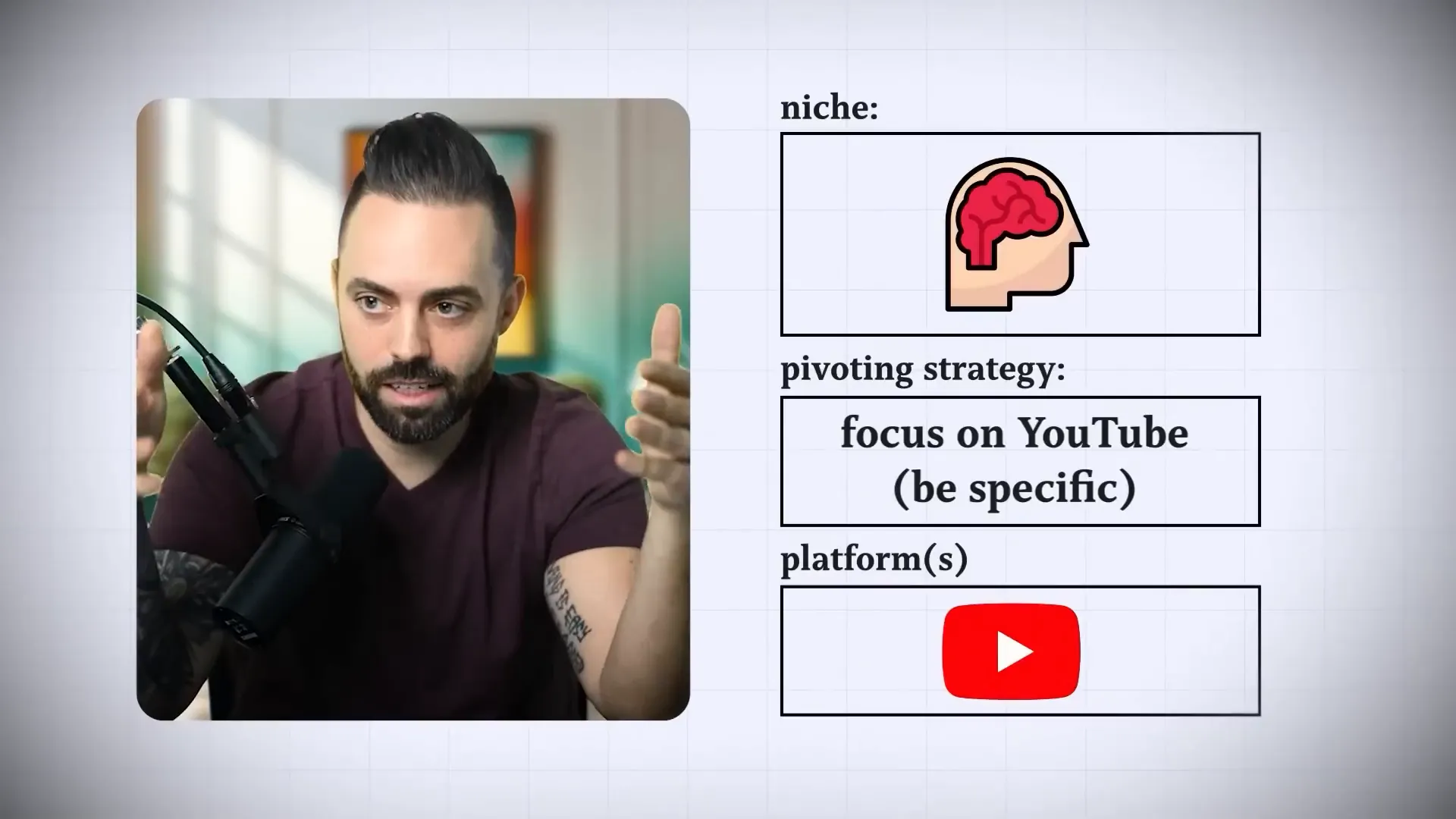
In 2025 (a pivotal year), diversifying (your) content distribution across multiple platforms is essential. YouTube, being the second-largest search engine, offers significant opportunities for visibility and engagement; however, one must consider the nuances of each platform. Although it may seem straightforward, achieving success requires strategic planning. This is because audiences vary significantly in their preferences and understanding these differences can enhance your reach.
Why YouTube is a Game Changer
YouTube allows (you) to reach a diverse audience that may not find you through traditional search engines; videos can provide more engaging content. However, this type of medium resonates with viewers (because) it offers a unique approach. Although traditional methods exist, they often lack the same impact.
Creating Effective Video Content
- Focus on Quality: Invest in good equipment and editing software to produce high-quality videos that keep viewers engaged.
- Optimize Video Titles and Descriptions: Use relevant keywords in your titles and descriptions to enhance discoverability.
- Encourage Engagement: Ask viewers to like, comment, and subscribe. Engagement signals to YouTube that your content is valuable.
- Cross-Promote Your Content: Share your videos on social media and your website to drive traffic and boost visibility.
❓ FAQ: Common Questions About SEO Strategies for 2025
In this section (we address) several frequently asked questions concerning SEO strategies for 2025: however, the landscape is constantly evolving. Although many principles remain relevant, the specifics can shift dramatically. This is important because staying updated is crucial for success. SEO strategies must adapt (to new trends), but understanding the fundamentals is vital.
1. What are the most important SEO trends for 2025?
Key trends (1) include a focus on user-generated content; improved user experience and the increasing importance of video content (2). However, this shift is not without its challenges. Although audiences are drawn to engaging media, some creators struggle to maintain quality. Because of this, it becomes essential to find a balance between quantity and quality. But one must also consider the evolving preferences of users, which can change rapidly.
2. How can I improve my website’s loading speed?
Optimize (images) and leverage browser caching; moreover, minimize HTTP requests to enhance loading speed. However, this process is crucial, because it directly affects user experience. Although the steps may seem simple, they require careful implementation. In fact, a significant improvement can be seen (after) adjusting these factors, but attention to detail is essential.
3. Should I focus on social media or SEO?
Both (are) important: utilize social media to (effectively) promote your content and drive traffic, while optimizing your website for search engines. However, this approach requires careful planning, because the interplay between social media and search engine optimization (SEO) can be complex. Although both strategies are integral, it’s crucial to understand that focusing on one may detract from the other (at times).
4. How can I adapt to algorithm changes?
Stay informed (about) algorithm updates; adjust your strategies accordingly—focusing on quality content (and) user experience. However, it is essential to remain vigilant, for changes can occur rapidly. This requires a commitment to excellence, because the landscape is ever-evolving. Although it may seem daunting, adapting is key to success, but one must also prioritize the user experience.